


My first experience of a Greek breakfast was during a family vacation on the island of Ios. We stayed at a hotel on the beach and breakfast was included. At first it looked like a standard continental setup with bread, fruit and yoghurt. Then I noticed the things I did not expect to see in the morning such as warm spinach pies, pieces of feta, local honey, olives, tomatoes and even small squares of loukoumi. It was simple and local, and very different from the hotel breakfasts I knew from other places.
Two years later, when I moved to the Peloponnese and started my own routine here, I realised that everyday breakfast is approached in a very different way. People do not usually sit down for a full meal in the morning. There is no large spread on the table and no long morning brunch. Most days begin with coffee. If someone wants to eat something, it usually comes from a bakery, often a koulouri or a cheese pie picked up on the way to work.
Over time I saw the same pattern in almost every town. People stop at the same bakery every morning, greet each other quickly and continue with a freddo in hand. Breakfast in Greece is fast, light and simply part of the daily routine rather than a meal of its own.
What Greeks Actually Eat in the Morning
Most people in Greece start their day with very little food, if any at all. The focus is almost always on coffee, usually the kind they pick up on the way to work rather than something made at home. What they eat depends on how busy the morning is and whether they stop at their usual bakery.

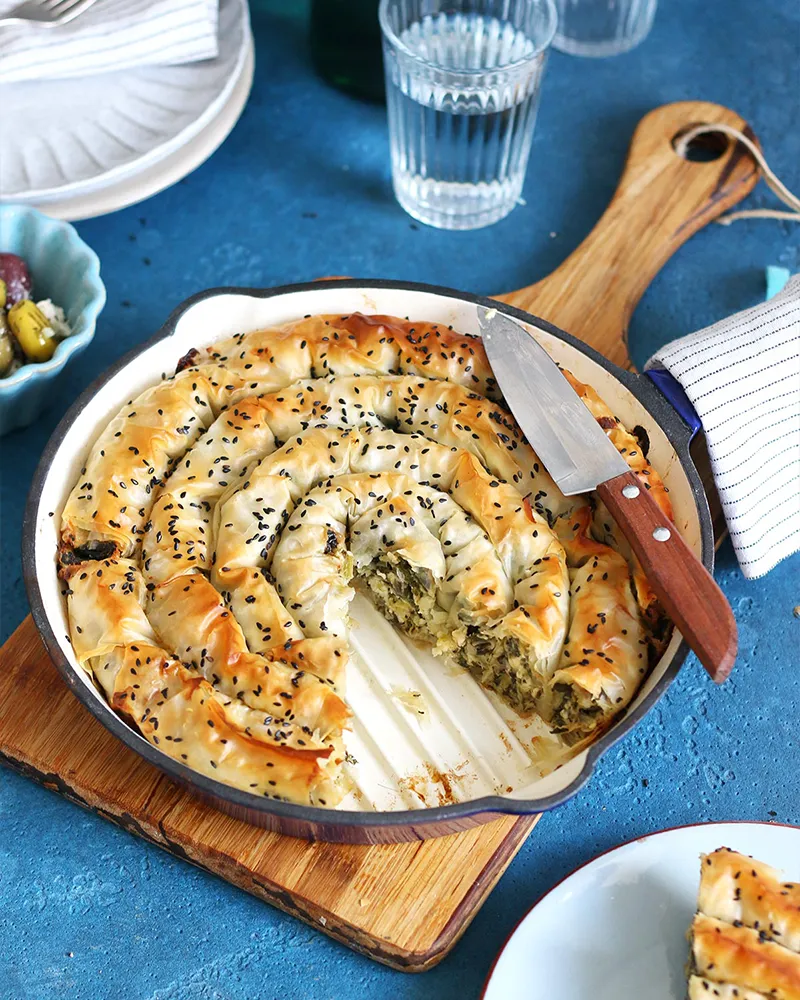
For many, breakfast is a koulouri, a soft ring of bread covered in sesame. Others choose a cheese pie or a spinach pie, both of which are common in every bakery in the Peloponnese. These pies vary from place to place, sometimes with flaky filo and sometimes with thicker pastry, but they all serve the same purpose which is a quick bite before the day begins.
Some people do not eat anything at all in the morning and rely only on coffee. Freddo espresso and freddo cappuccino are very popular choices. A quick chat outside the bakery or café is often part of the routine before they continue with the day.
The Bakery Culture in the Peloponnese
Bakeries play a big role in morning life here. Almost every neighbourhood has one and each bakery has its own regular crowd. Some people go every day, not only for food but also because it becomes part of a familiar routine.
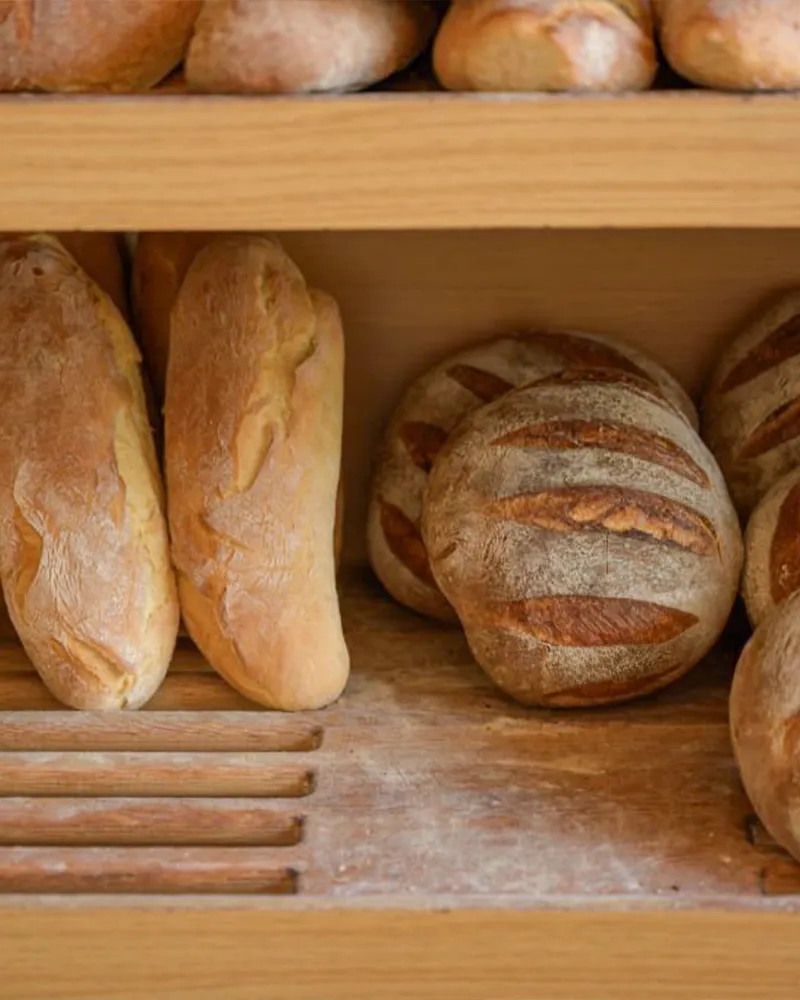
The selection is always wide. You find cheese pies, spinach pies, ham and cheese pies, sandwiches, yoghurt cups, bougatsa, small savoury pastries and fresh bread coming out of the oven. Everything is prepared early in the morning and the best items usually disappear by late morning.
People usually pick what they want, order a coffee and either leave or stay a few minutes outside. It is a quick stop but it still feels social. You begin to notice the same faces every day and over time you recognise people even if you never speak to them.
For many who live in the Peloponnese, bakeries are the closest thing to a morning meeting point. They replace the idea of a long breakfast at home and create a simple routine that fits the local lifestyle.

Home Breakfasts and What People Prepare for Themselves
At home, Greek breakfast is usually small and practical. Most people do not cook in the morning unless it is the weekend. On weekdays it is something that takes only a minute or two.
Many families start the day with yoghurt and honey, often with a few nuts or fruit on top. Others prefer simple toast with cheese or turkey made on a small sandwich grill. Bread with butter and jam is also very common, especially in homes with children.
Fresh fruit is another common choice. In summer it might be peaches, melon or figs. In winter it is more likely to be oranges, apples or pomegranate. Many people eat it at home before leaving or take it with them to work.
The goal is usually to eat something light and move on with the day. For many people the first proper meal comes later, usually around midday.
Weekend Breakfasts and Slower Mornings
Weekends look a little different. People have more time, so breakfast becomes more relaxed. It is still simple, but there is more variety and often a few things that would never happen on a weekday.
Omelettes are one of the most common choices. They are usually made with tomatoes, feta, peppers or mushrooms. Another classic is strapatsada, also known as kagianas, which is eggs cooked with tomato, olive oil and a bit of cheese. It is very popular in the Peloponnese and appears on many home tables, especially during summer.
Some families buy fresh bread and prepare a small spread with olives, tomatoes and cheese. Others make pancakes or yoghurt bowls. Loukoumades are another weekend treat, small fried dough balls covered in honey and shared between everyone.
Even with more time, weekend breakfasts remain uncomplicated and follow the same idea of keeping things enjoyable and easy.
Modern Café Breakfasts
Cafés around the Peloponnese have evolved in recent years. Many now offer breakfast options that feel more international, especially in towns like Nafplio, Tripoli and Kalamata. These menus are not traditional, but they have become part of morning life for people who want something more complete.
Most cafés serve omelettes, toast, yoghurt bowls, fresh juices and pancakes. Some offer croque monsieur, avocado toast or smoothie bowls. These choices are popular with younger people, remote workers and anyone who prefers a slower start to the day.
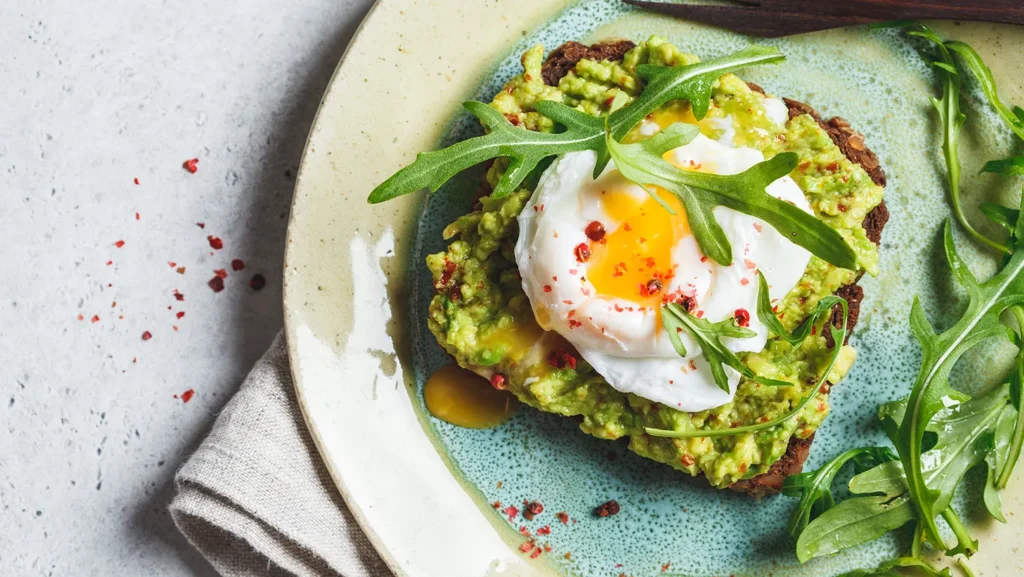
Even with these modern options, the atmosphere stays relaxed. The focus is still on coffee, but cafés give the option for a fuller breakfast when someone wants it.
Tourist Breakfasts Versus Everyday Greek Breakfasts
Tourists often imagine breakfast in Greece as a table filled with olives, feta, tomatoes, fresh bread, yoghurt and local products. Many hotels offer exactly this. It is a combination of traditional foods that look good together and give a taste of the region.
Everyday breakfast for locals is very different. Most people do not prepare large plates in the morning and many skip food entirely. The usual routine is a quick visit to a bakery, a small item at home or just a coffee before work. All the foods that appear on hotel breakfast tables are part of Greek cuisine, but they are not eaten together as a morning meal in daily life.
Both versions belong here, but they serve different purposes. One is designed for visitors. The other is part of the everyday routine.
My Own Go To Breakfasts in the Peloponnese
Over time I developed a few routines of my own. What I eat depends on the day and how busy the morning is. Some days I want something light, other days I want something warm and filling, and sometimes a coffee is enough.
On the mornings when I leave the house early, I usually stop at a bakery for a freddo and a koulouri. If I have more time, I prefer a cheese pie, especially when it is still warm. It is the most reliable choice and almost every bakery here makes a good version.
When I stay at home, yoghurt with local honey is my usual breakfast. It is simple and I never get tired of it. During summer I add peaches or figs, and in winter it is more often apples or oranges. Some days I prepare a toast or an omelette, especially if I know I will be out for many hours.
On weekends I enjoy making strapatsada since it feels like a proper meal without much effort. When friends or family visit, we sometimes buy bougatsa or a few things from the bakery and share them at home. It is an easy way to start the day and always feels welcoming.
Breakfast in Greece comes in many forms. It can be a quick visit to a bakery, a light yoghurt at home or a relaxed weekend meal with eggs and fresh bread. What makes it interesting is how naturally it fits into everyday life. There is no need for a big spread or long preparation. Instead, mornings are kept simple and practical, usually with a coffee close by. After living in the Peloponnese for some time, I learned to appreciate this approach. It fits the pace of life here and is easy to enjoy, no matter how the day starts.


Leave a Comment