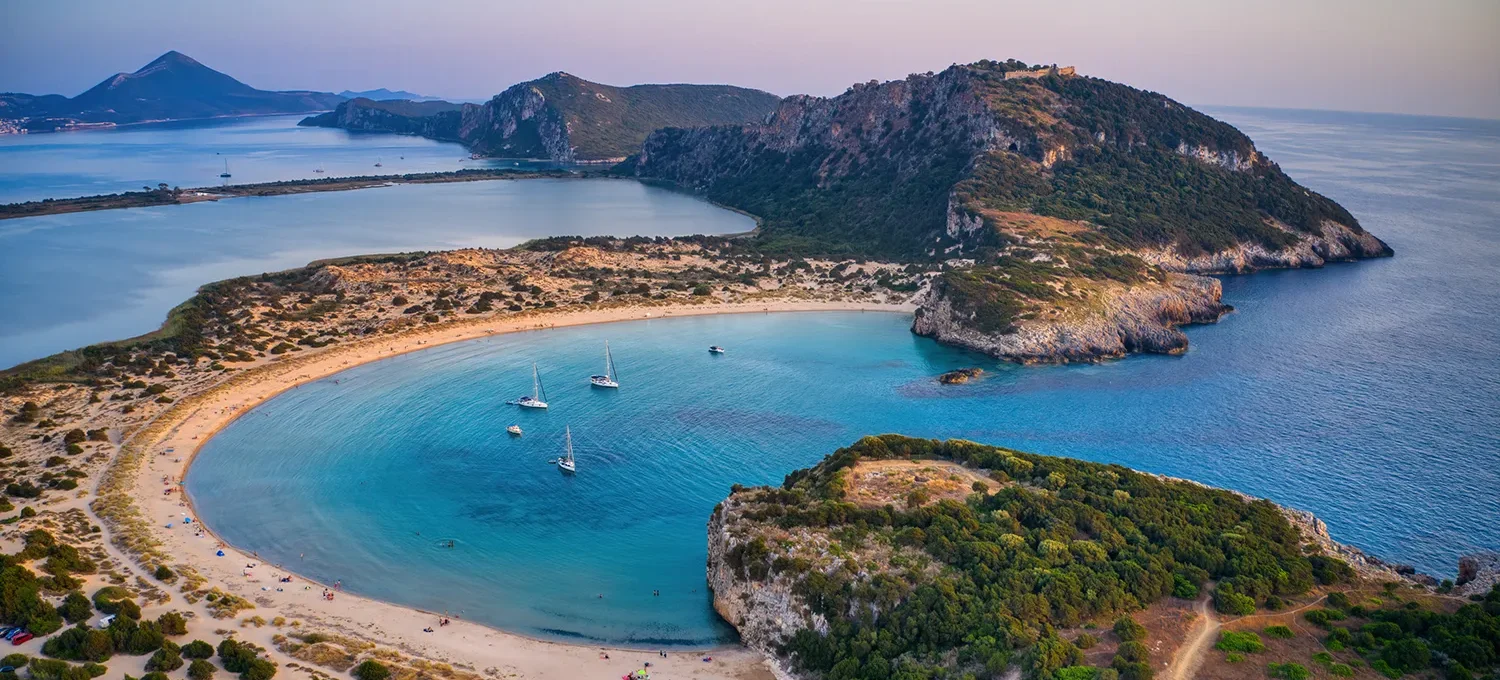

The Peloponnese is a large peninsula in southern mainland Greece, covering around 21,550 km² (8,320 square miles). It’s known for its depth of history, varied landscapes, and a way of life that feels noticeably different from the country’s more famous island destinations. It’s connected to the rest of Greece by the Corinth Canal and, further west, by the Rio–Antirrio Bridge, giving it a slightly separate identity while still being easily accessible.
So, where is the Peloponnese exactly? It’s a region that often gets overlooked on the map, yet it sits right at the heart of southern Greece, offering a mix of ancient sites, coastline, and everyday Greek life that feels more grounded than the islands.
What makes the region stand out is the balance it offers. Within a relatively short distance, you can move from ancient archaeological sites like Olympia, Mycenae and Epidaurus, to quiet beaches, olive groves, and mountain villages that feel largely untouched by mass tourism. It’s a part of Greece that combines history, landscape, and everyday life in a way that feels more grounded and less curated.
To really understand where the Peloponnese is, it helps to look beyond the map and focus on how it actually feels
Geographically, the Peloponnese sits just southwest of Attica, the region where Athens is located. It is technically part of mainland Greece, but the narrow Isthmus of Corinth creates a natural boundary between the two. The construction of the Corinth Canal effectively cut through this strip of land, reinforcing the feeling that the Peloponnese is almost an island.
The region is surrounded by water on nearly all sides. To the west lies the Ionian Sea, known for its deeper blue waters and softer coastlines. To the east is the Aegean Sea, with a more typical Greek island feel. The southern edges open out into the wider Mediterranean, giving the Peloponnese an extensive and varied coastline that changes character from one area to another.
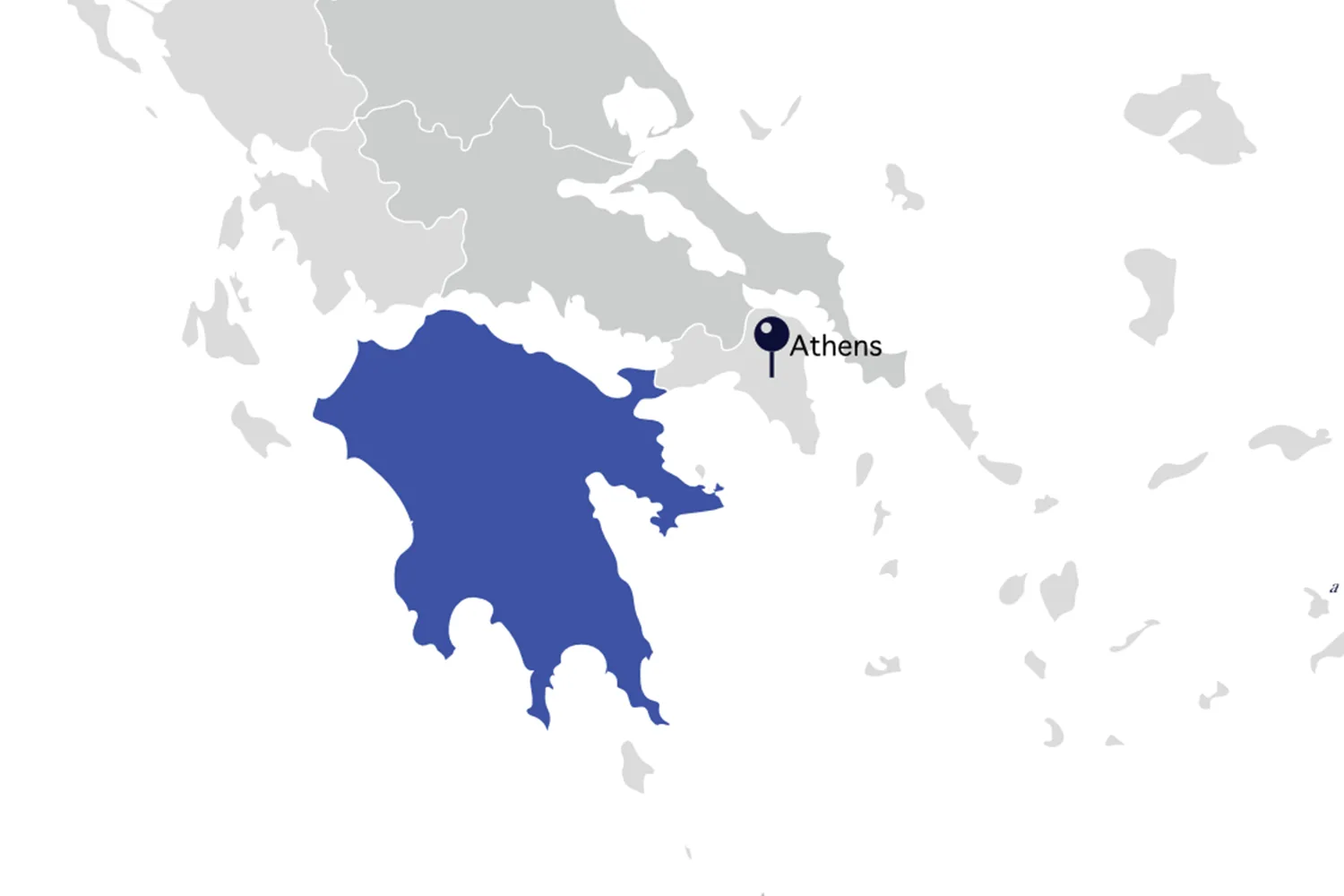
In practical terms, it is one of the most accessible regions in Greece. From Athens, you can reach the eastern parts of the Peloponnese, such as Nafplio, in under two hours. Heading further south or west, destinations like Kalamata or the Mani Peninsula typically take closer to three to four hours by car. This combination of accessibility and geographical separation is a big part of what defines the region, and helps answer the question of where the Peloponnese is in a practical sense.
What The Peloponnese Feels Like
To really understand where the Peloponnese is, it helps to look beyond the map and focus on how it actually feels. Despite being part of the mainland, the Peloponnese often feels like an island in its own right. The landscape is broken up into smaller regions, with coastlines, valleys, and mountain ranges creating a sense of separation between areas. As you move through it, each part feels distinct, almost like travelling between different islands, but without ever needing to leave the mainland.
Life here tends to move at a slower, more natural pace. Compared to Athens, there is less intensity in day-to-day life. Traffic is lighter, towns are quieter, and the rhythm of the day is more connected to local routines rather than constant activity.
Another defining feature is space. Whether you are along the coast or inland, there is a feeling of openness that is harder to find in more built-up or heavily touristed parts of Greece. Olive groves stretch for miles, mountain villages sit quietly above the valleys, and even in popular towns, there is often room to step away from the busier areas.
What many people notice most is that the Peloponnese feels authentic without trying to be. The towns and villages are not designed around tourism, even if they welcome it. They function first as places where people live, which gives the region a more grounded and genuine atmosphere.
A Quick Look at Its History
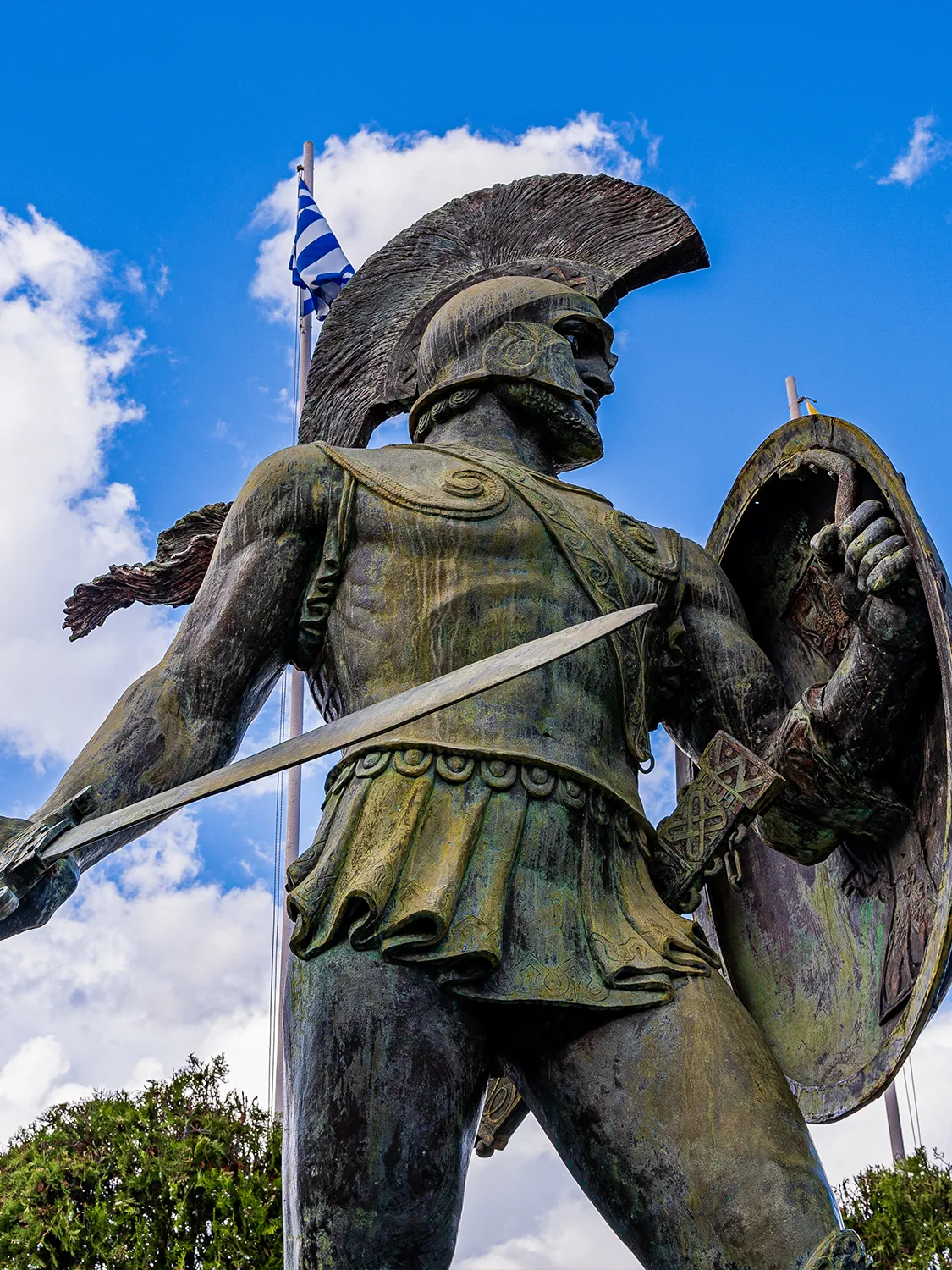
The Peloponnese is not just historically important. It is one of the key regions where much of Greek history was shaped. Some of the most influential city-states of ancient Greece were based here, including Sparta, known for its discipline and military strength, and Mycenae, which represents one of the earliest advanced civilizations in the Greek world.
It is also home to Olympia, where the original Olympic Games were held, an idea that continues to resonate globally today. Sites like Epidaurus still stand as examples of architectural and cultural achievement from thousands of years ago.
Over the centuries, the Peloponnese remained strategically important. It passed through Byzantine, Venetian, and Ottoman control, each leaving visible marks on the towns and architecture. Coastal fortresses, stone-built settlements, and old town layouts still reflect these different periods.
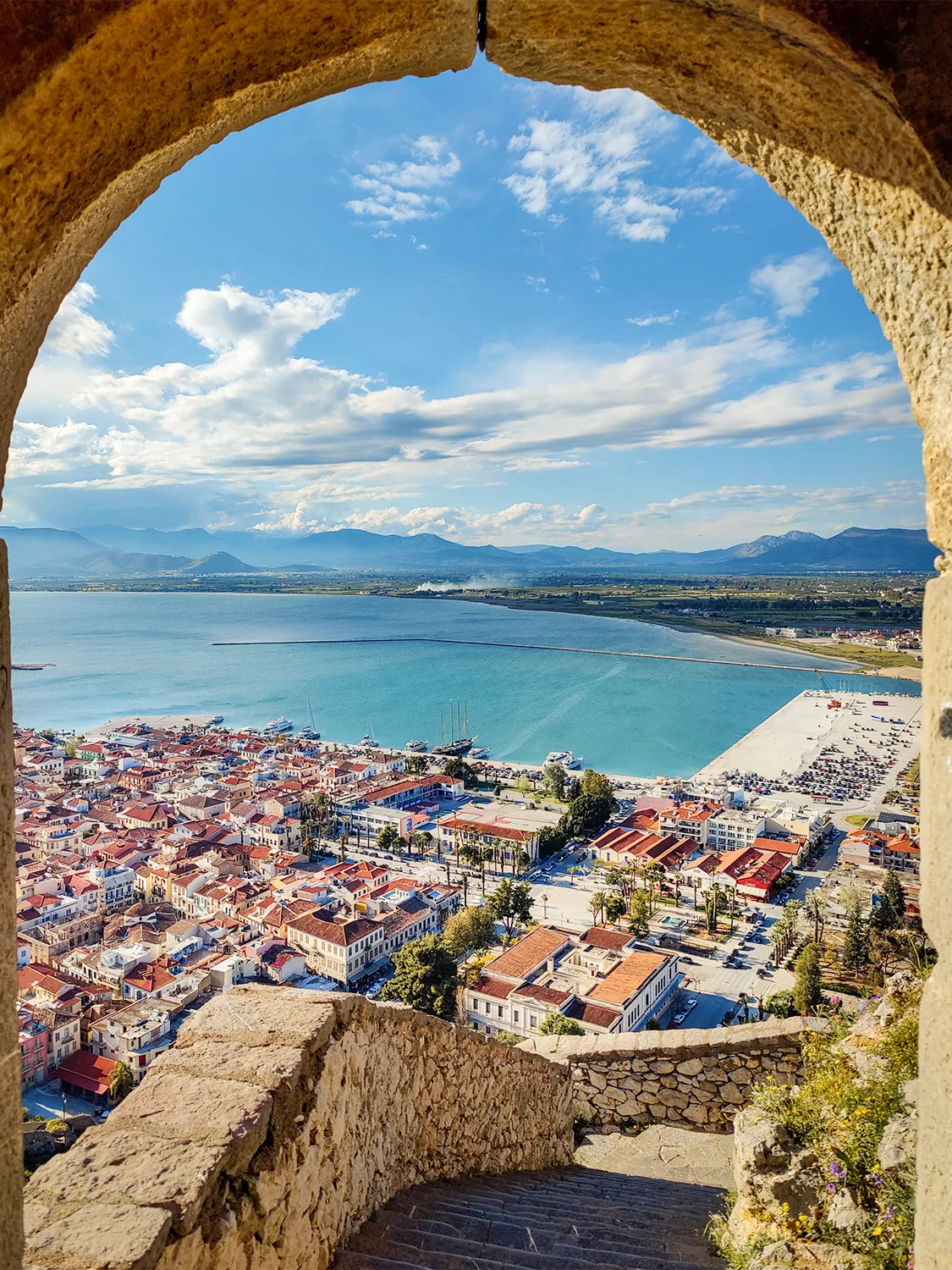
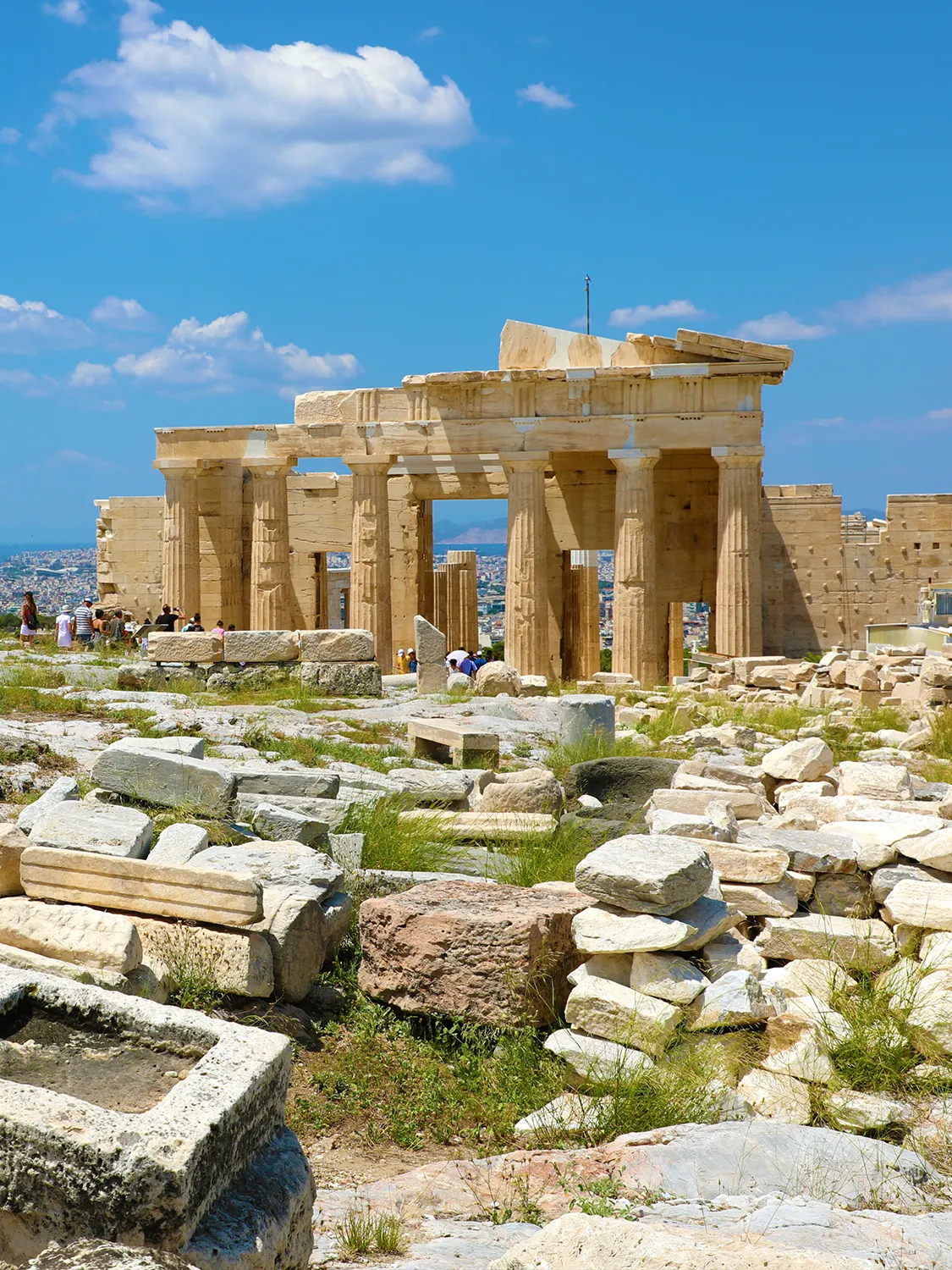
In more recent history, the region played a central role in the Greek War of Independence. The city of Nafplio became the first capital of the modern Greek state, marking the transition from occupation to independence.
What stands out is not just the depth of history, but how present it feels. You don’t need to seek it out in museums. It’s built into the towns, the landscapes, and even the routes between places.
The Main Areas Of The Peloponnese
The Peloponnese is large, and understanding its main areas helps put everything into perspective.
On the eastern side, the Argolis region, centred around Nafplio, is often the first point of contact for visitors coming from Athens. It combines coastal scenery with some of the most important historical sites in Greece. Further along the coast, areas like Porto Cheli and Ermioni offer a more exclusive, seaside lifestyle, with easy access to islands like Spetses and Hydra
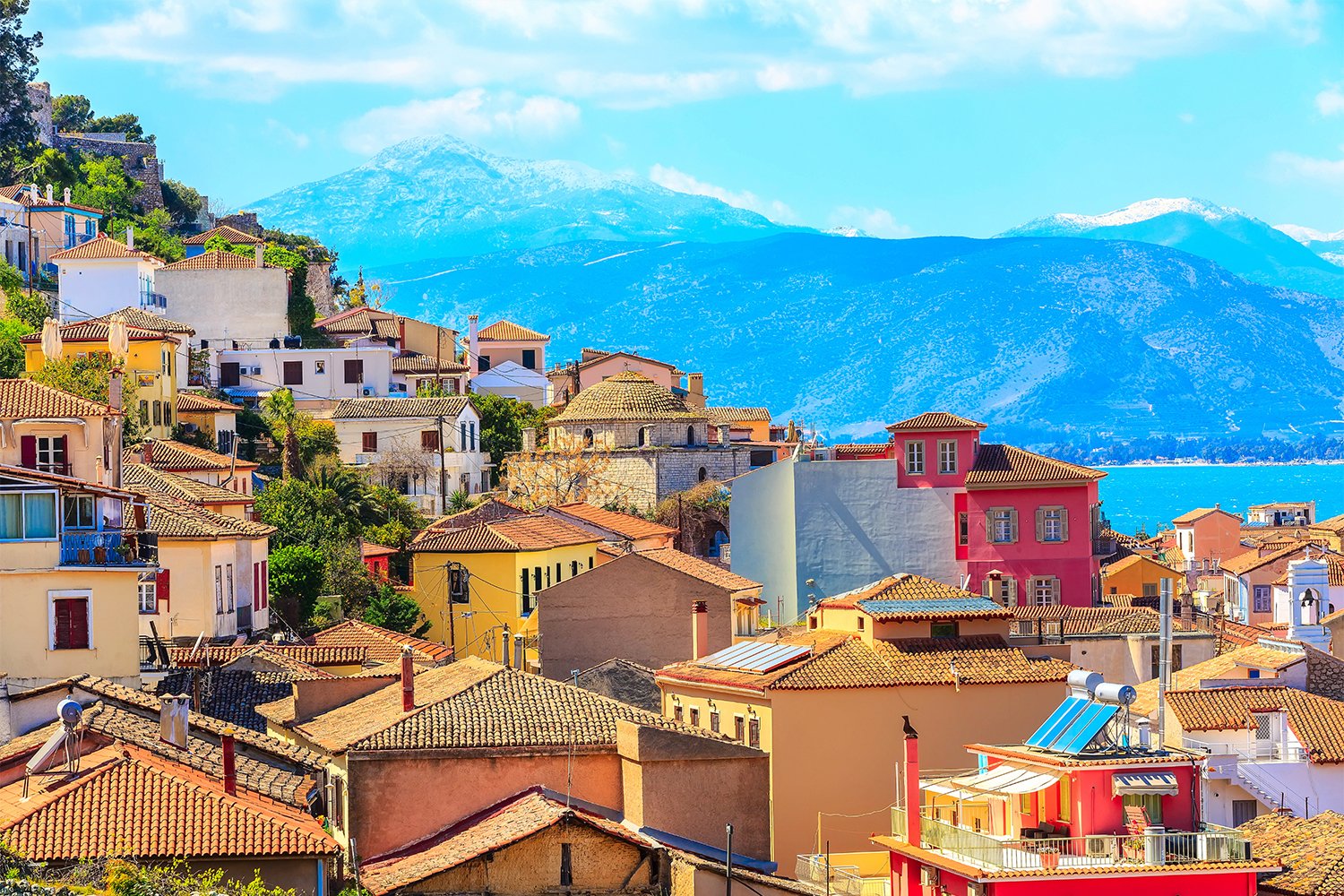
Moving west, the region of Messenia, with Kalamata as its main city, offers a different landscape. Here, you find wider plains, long sandy beaches, and a growing number of international visitors and developments, particularly around resort areas such as Costa Navarino.
Further south, the Mani Peninsula stands out as one of the most distinctive parts of the Peloponnese. It is rugged, dry, and dramatic, known for its stone tower houses and a landscape that feels almost untouched.
In the centre, Arcadia is defined by mountains, forests, and traditional villages. It has a completely different feel from the coast, with cooler temperatures and a more alpine atmosphere, especially in winter.
To the north-west, the area around Patras acts as a gateway to the region, connecting the Peloponnese to western Greece and serving as an important transport hub.
Why People Are Talking About The Peloponnese Now
In recent years, the Peloponnese has started to attract more attention, particularly from international buyers and longer-term visitors. One of the main reasons is value. Compared to the Greek islands or even parts of the Athens Riviera, property in the Peloponnese often offers more space, more land, and a better overall lifestyle proposition for the same budget.
For those still wondering where is the Peloponnese within Greece, it sits in a unique position that combines accessibility with a sense of separation.
There is also a broader shift in what people are looking for. Instead of short, high-intensity holidays, many are now choosing longer stays, remote work setups, or seasonal living. The Peloponnese fits well into this trend, offering a balance between accessibility and a quieter, more private environment.
Tourism is growing, but it has not reached the levels seen in places like Mykonos or Santorini. This creates a window where the region still feels authentic, while gradually improving in terms of infrastructure, services, and international appeal.
For those looking at Greece from a lifestyle or property perspective, we go deeper into specific areas, trends, and opportunities on Mediterra Premium, where the focus is on real estate, investing and living in regions like the Peloponnese.
For many, it represents a different way of experiencing Greece. Less crowded, more grounded, and closer to how the country actually feels beyond the main tourist hotspots.
The Peloponnese sits just a short distance from Athens, but in many ways it feels like a different world. It’s close enough to be convenient, yet far enough to offer a completely different pace and atmosphere.
It’s also a region that many people overlook at first. The islands tend to get the attention, and Athens dominates the map. But once you understand where the Peloponnese is, and what it offers, it naturally becomes a place worth exploring more deeply.
And usually, that starts with a simple question like this one.